Before the Move Goes Wrong
Recognize the risks that damage kitchen equipment during relocation. Learn the diagnostic steps that prevent costly failures.
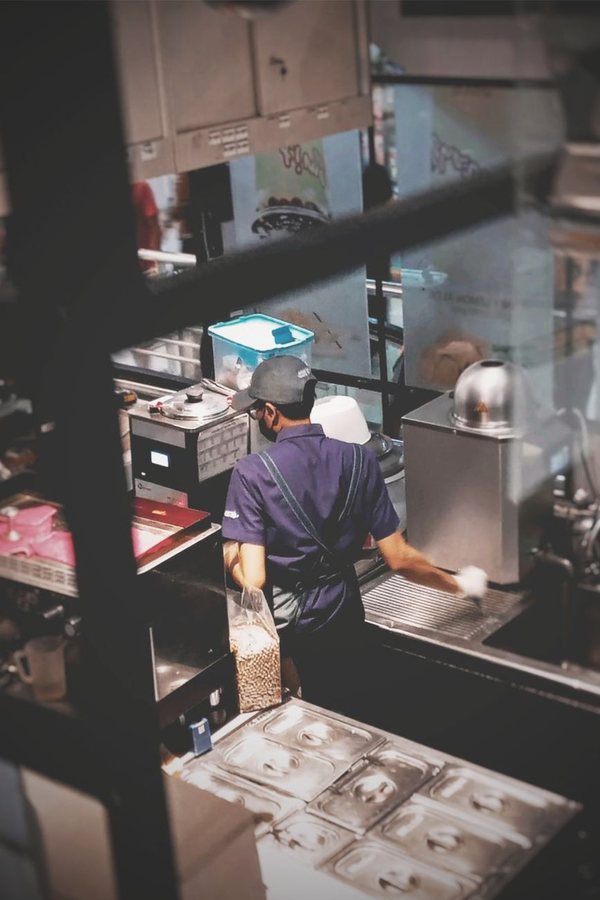
Five Critical Risk Zones
Equipment-specific vulnerabilities that emerge during relocation.
Facility managers and kitchen planners facing equipment relocation without clear diagnostic protocols often discover damage only after installation. Each equipment category presents distinct failure modes that systematic assessment can prevent before the move begins.
1. Fryers & Oil Systems
Tilting during transport ruptures seals and spills heated oil. Diagnostic check: verify mounting bolts, drain protocols, and transport angle limits before loading.
2. Ovens & Thermal Units
Thermal shock from rapid temperature changes and vibration-induced door misalignment. Assessment focus: insulation integrity, door hinge clearance, and stabilization during transit.
3. Prep Tables & Work Surfaces
Bent frames and cracked surfaces from improper lifting and stacking. Diagnostic protocol: measure frame geometry, identify stress points, and plan load distribution.
4. Gas Line Connections
Misaligned fittings and micro-fractures in copper tubing create safety hazards. Risk assessment: pressure test protocols, fitting compatibility verification, and connection sequencing.
5. Refrigeration Systems
Compressor damage from vibration and coolant line rupture. Diagnostic steps: refrigerant recovery procedures, vibration isolation verification, and post-move pressure testing.
The Assessment Protocol
Step-by-step reasoning to identify root causes before relocation begins.
The diagnostic process begins with a physical survey of each equipment unit in its current location. Measure doorway widths, hallway turns, and vertical clearances along the planned route. Document current operational status: does the fryer heat evenly, does the oven door close flush, are all refrigeration seals intact? These baseline observations reveal which equipment can tolerate standard moving procedures and which requires specialized handling.
Next, assess the equipment's structural integrity and connection points. Inspect mounting bolts for corrosion or looseness. Check gas line fittings for leaks using soapy water. Verify electrical cord insulation and plug condition. This phase identifies pre-existing vulnerabilities that relocation stress will amplify. A bent door hinge discovered before the move can be replaced; discovered after installation, it becomes a costly emergency repair.
Finally, develop equipment-specific protective measures based on identified risks. Fryers require oil drainage and secure strapping to prevent tilting. Ovens need thermal blankets and vibration dampening pads. Gas lines must be disconnected and capped with certified plugs. Refrigeration units need coolant recovery and compressor stabilization. This reasoning transforms abstract relocation anxiety into concrete, actionable steps.
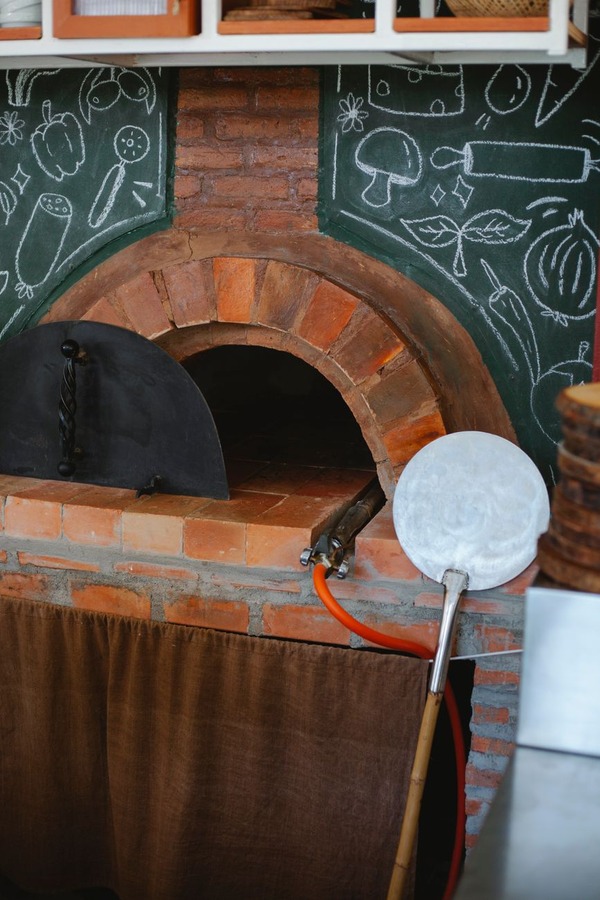
Protective Measures That Work
Before-and-after reasoning displayed through annotated photographs and decision logic.
Systematic protective protocols reduce equipment damage risk by addressing root causes identified during diagnostic assessment. Each measure corresponds to a specific failure mode: thermal blankets prevent oven shock, vibration pads isolate compressor stress, and certified gas line caps prevent contamination. Visual evidence of these protective decisions builds confidence that relocation will succeed without costly failures or operational downtime.

Fryer Stabilization
Oil drained, unit strapped to prevent tilting, mounting bolts torqued to specification. Post-move verification: pressure test all seals before refilling.
Oven Protection
Thermal blanket applied, door secured with soft padding, vibration pads positioned under all feet. Diagnostic check: door alignment verified after installation before operational testing.
Gas Line Protocol
Lines disconnected at certified fittings, capped with approved plugs, pressure tested before reconnection. Survey coordination ensures new location fittings match equipment specifications exactly.
Refrigeration Recovery
Coolant recovered by licensed technician, compressor stabilized with isolation mounts, electrical connections documented. Post-move pressure test confirms system integrity before operation resumes.
Get Your Equipment Assessment
Describe your relocation scenario. We'll provide a diagnostic roadmap tailored to your kitchen equipment.
Diagnostic Kitchen
Building 42, Sharia Safiya Zaghloul
Moharam Bey District
Alexandria 21131, Egypt
Phone: +20 10 2491 7980
Email: hello@shopwithaon.com
We provide equipment-specific risk assessments and protective protocols for facility managers and kitchen planners preparing relocation projects in Alexandria and surrounding regions.